Monday, 16 March 2015

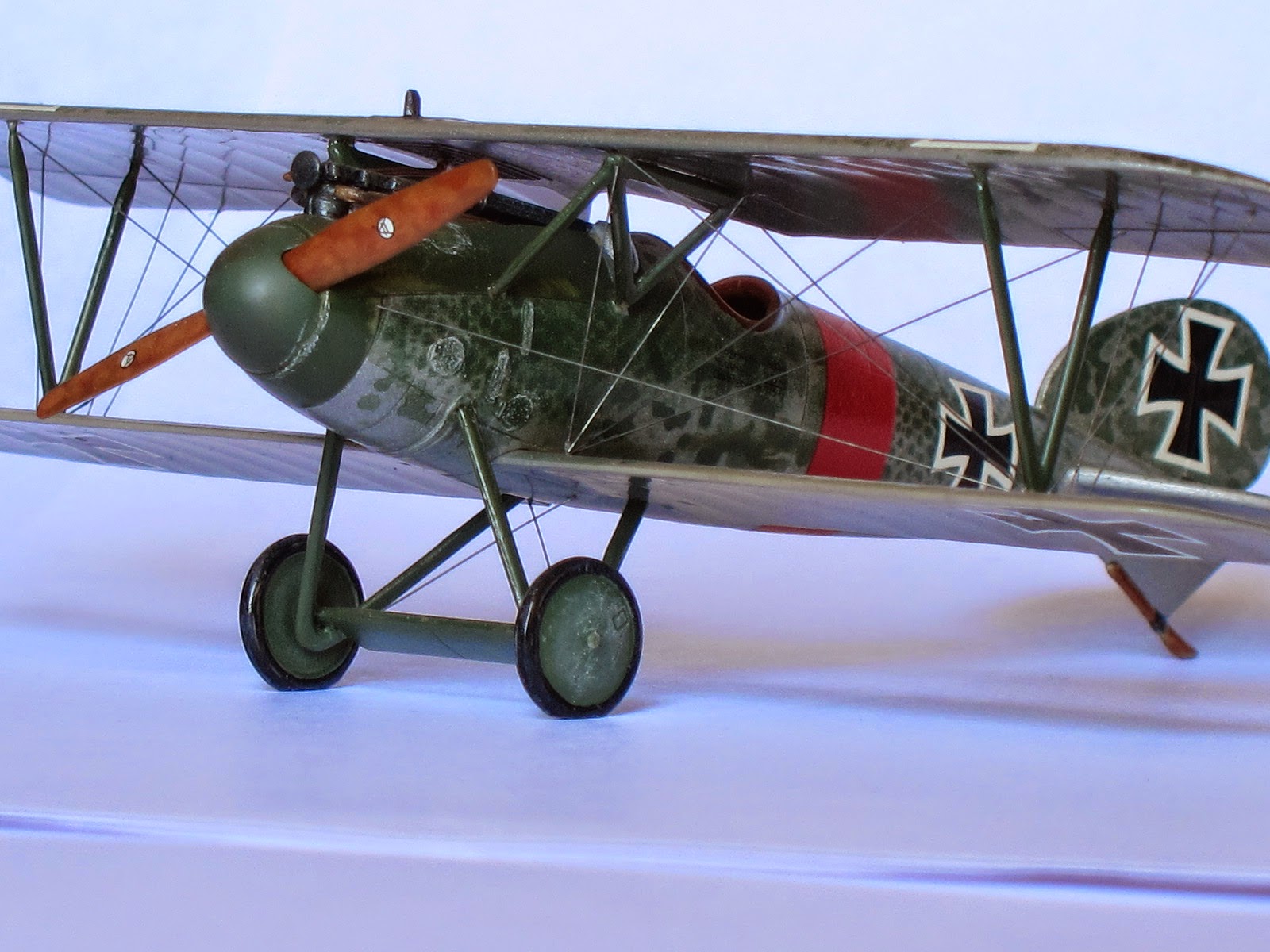
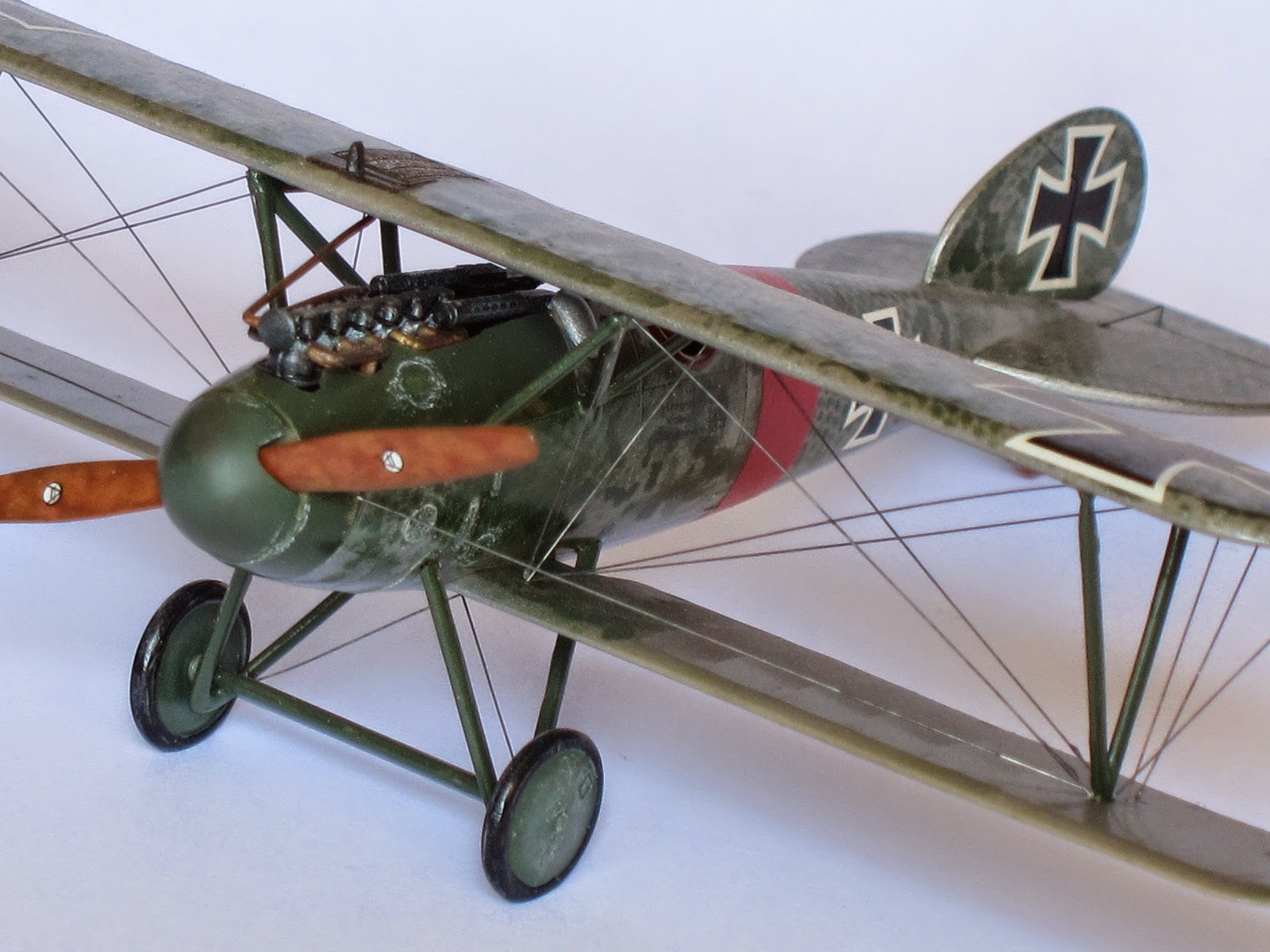
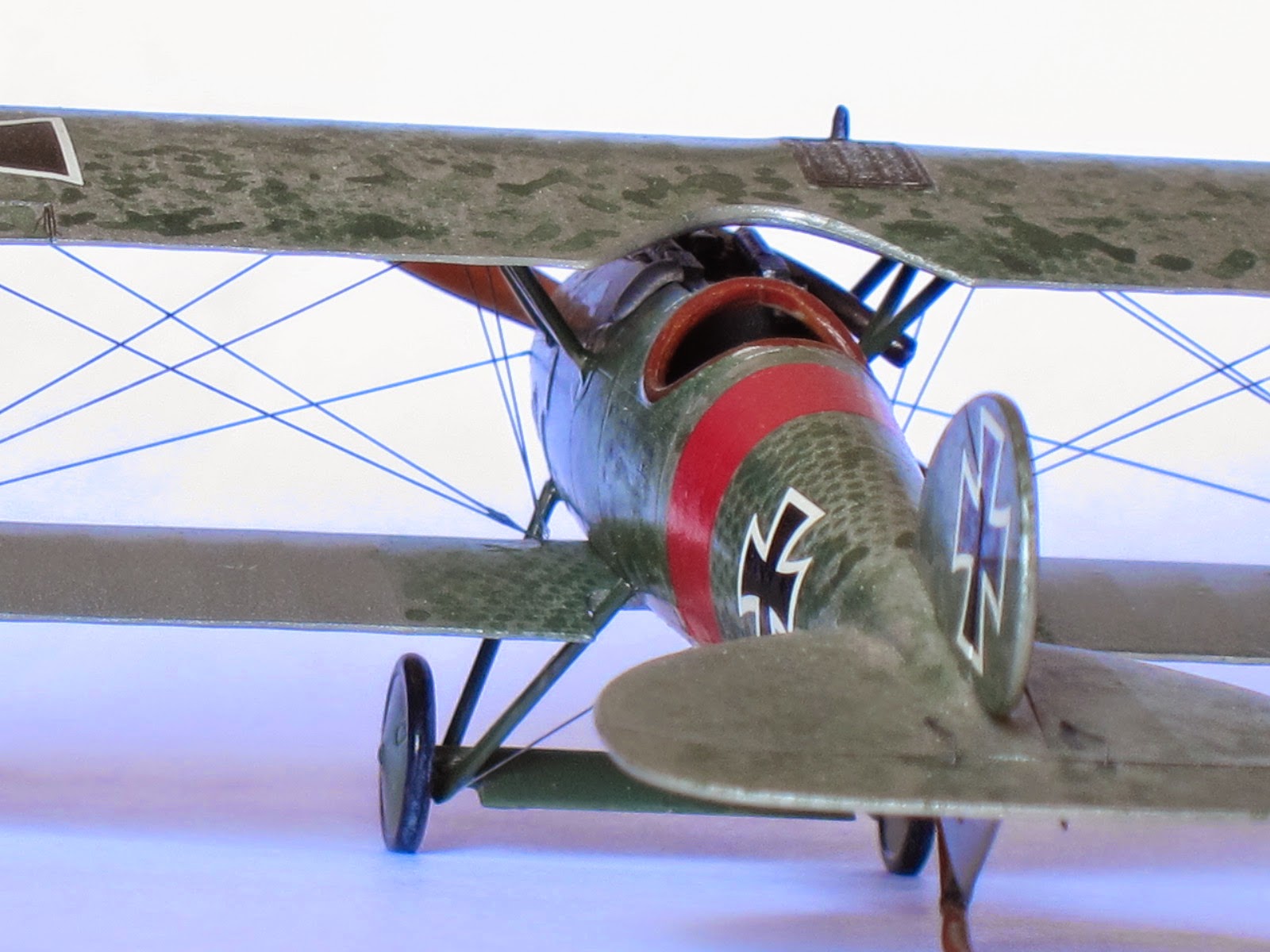
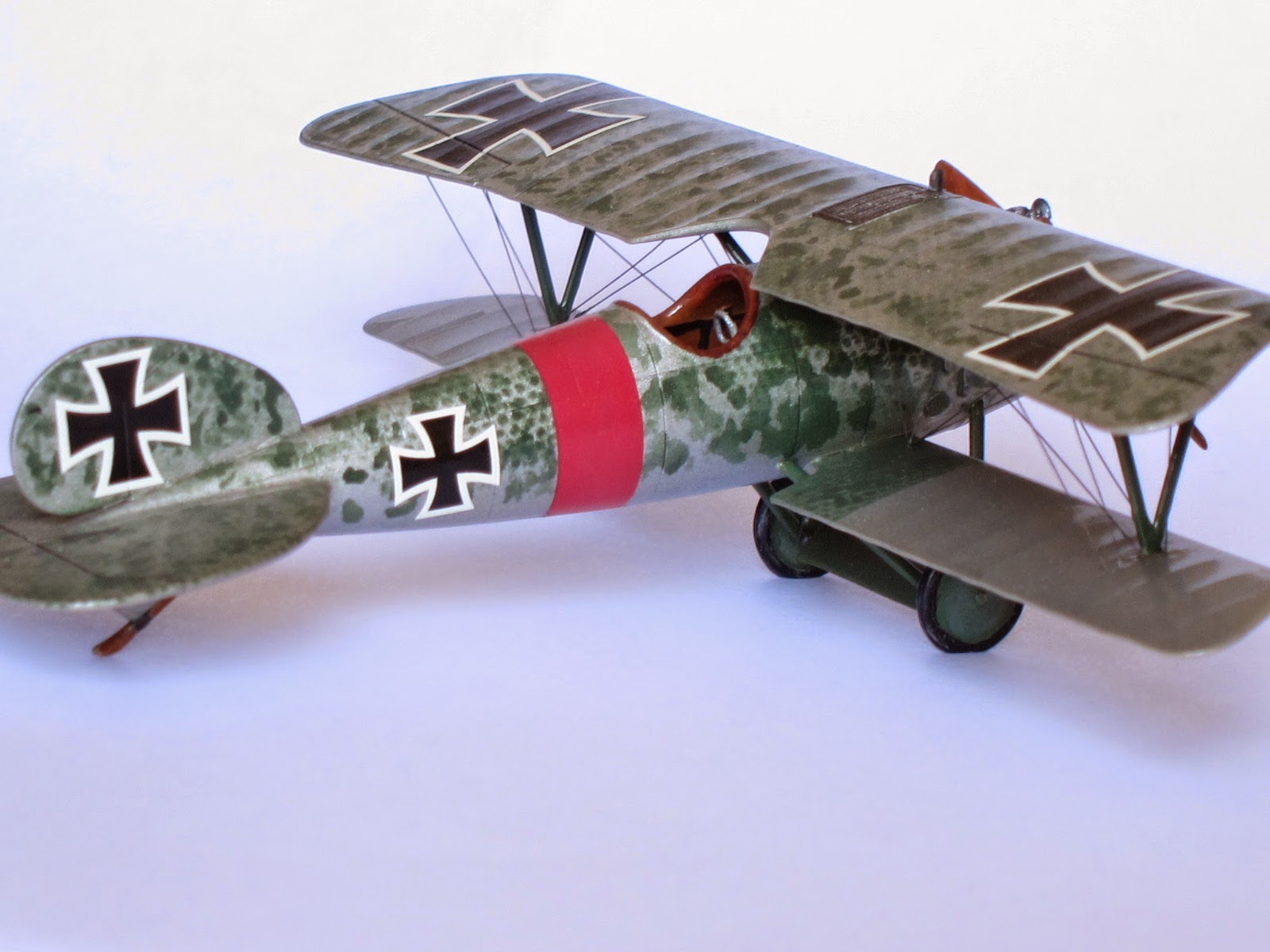
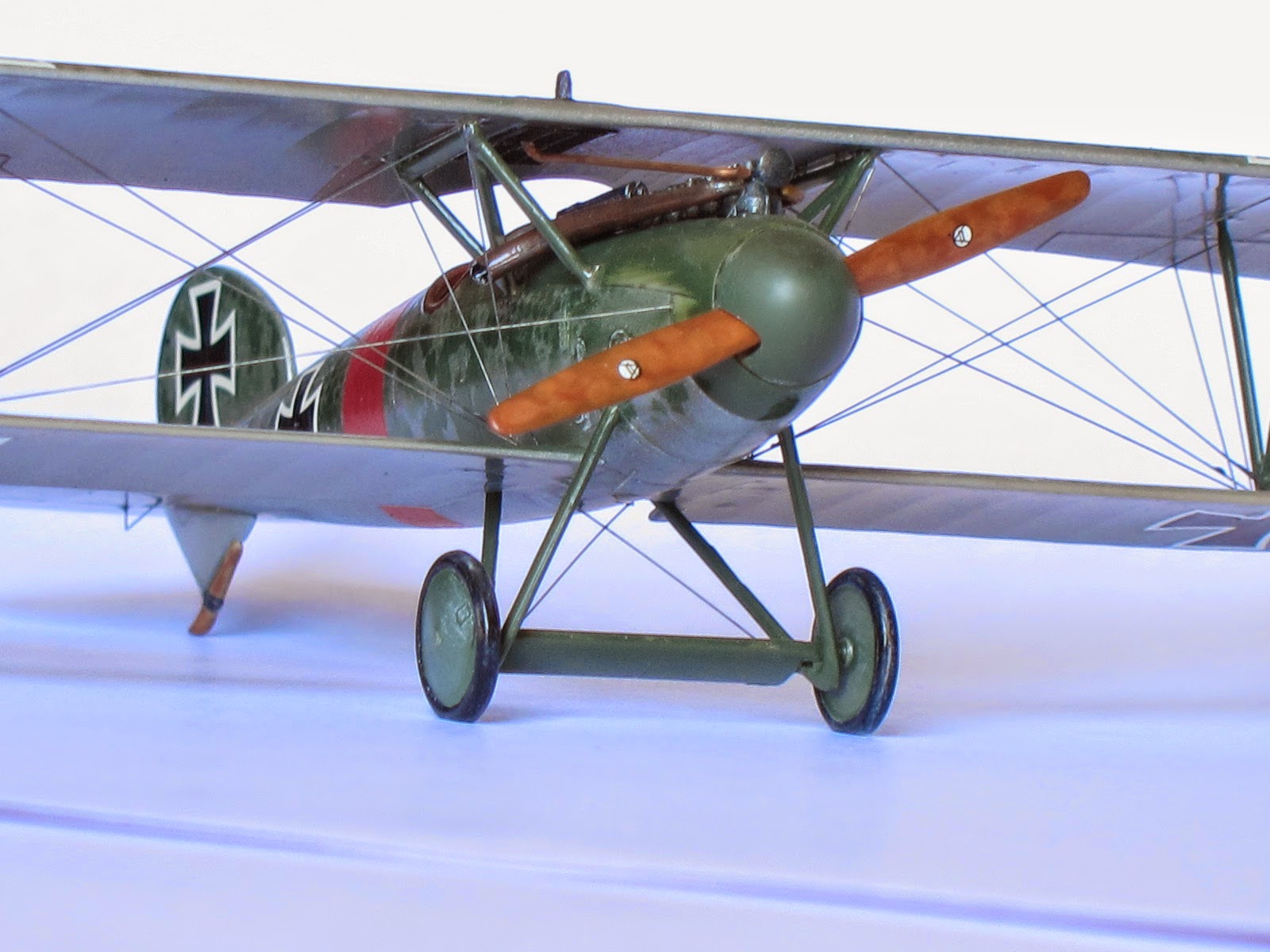
Albatros D.V...

This is the Eduard 1/72 kit, a marvelous representation of this great machine. I prefer to model the Theo Ostermann mount, to avoid the typical green and mauve or the lozenge wing colors.

The level of detail is proper to Eduard standards, easy to build and beautiful schemes to choice.


Sunday, 15 March 2015

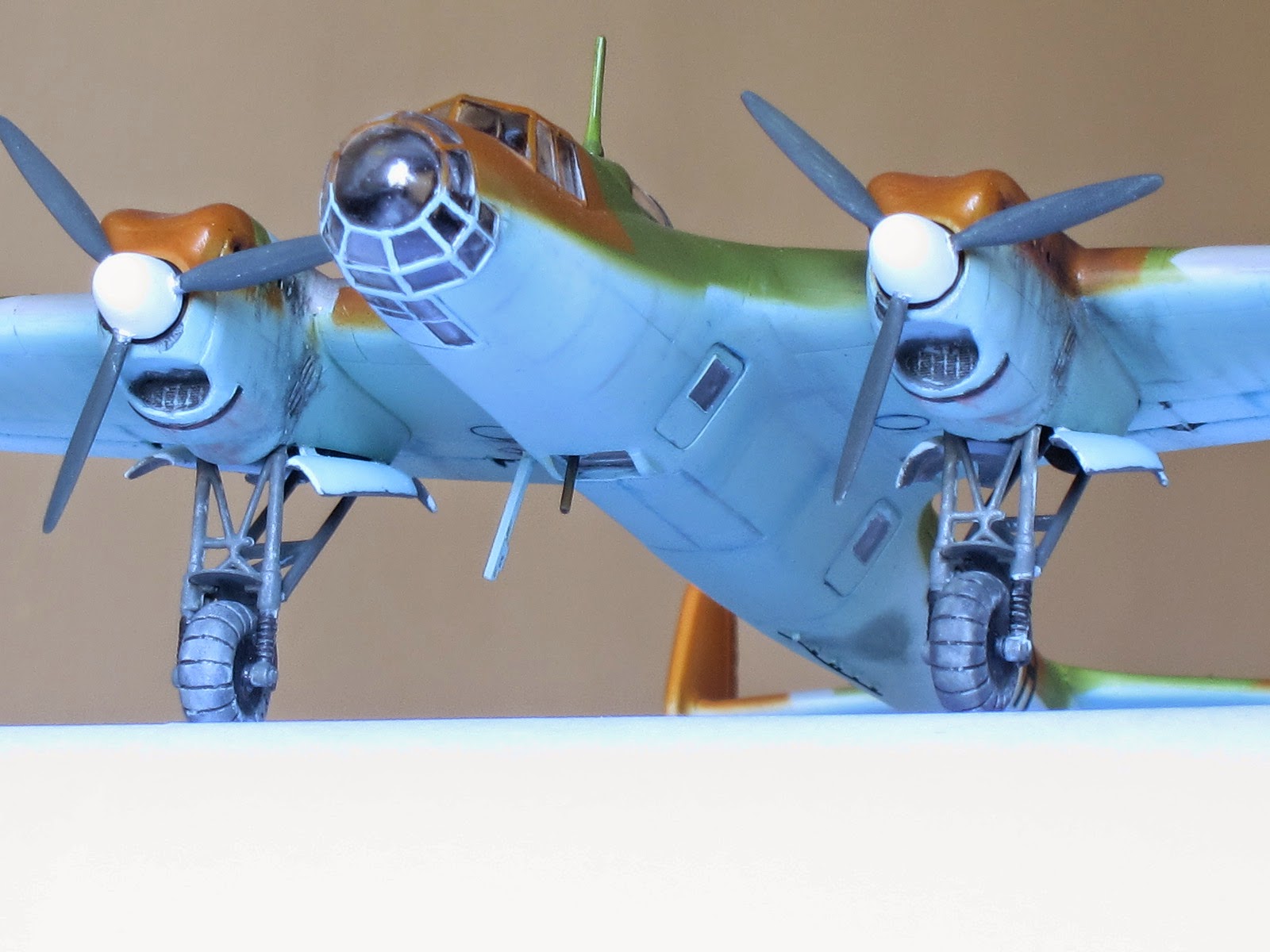
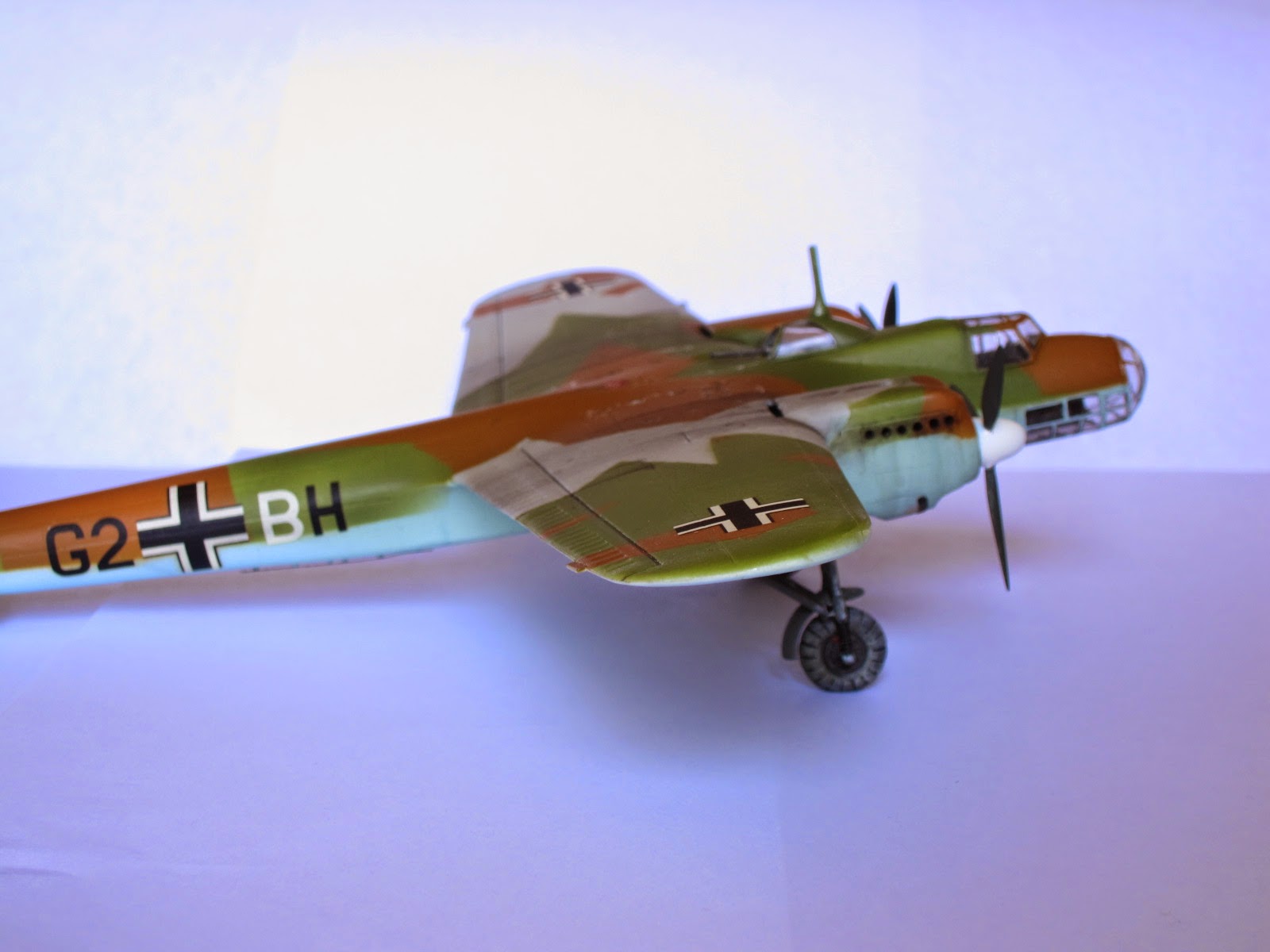
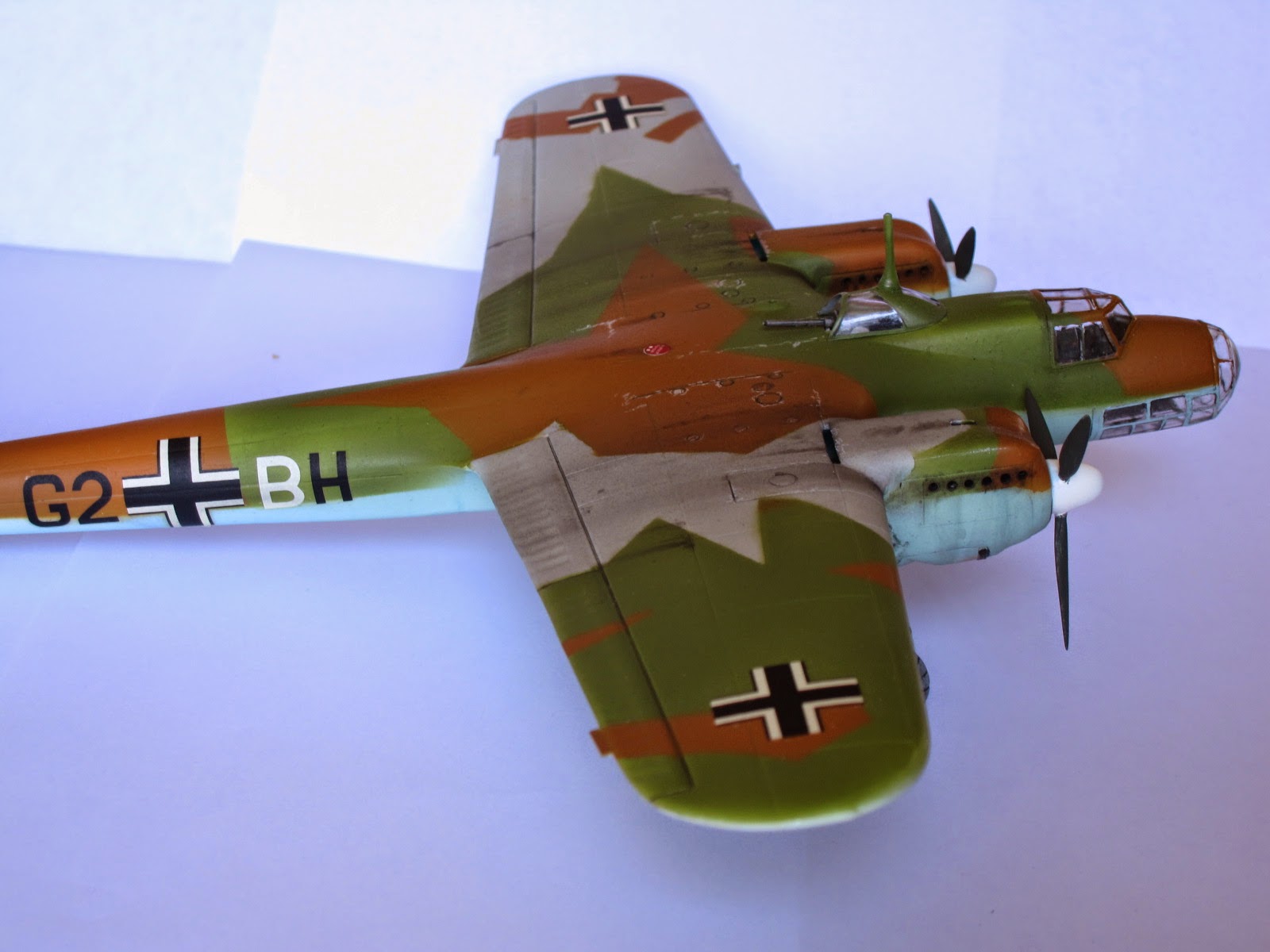
Do-17E Airfix 1/72 old fashion kit...


The Dornier 17 or the "flying pencil" was the most advanced bomber in the world when it was presented in the International Military Aircraft Competition at Zürich, Switzerland in 1937 and faster than any fighter produced at that time.

This plane with the Ju-88 and He-111 was the symbol of the air power of the new German regime.

Consequently, Do-17E (E models, was one of the early versions equipped with BMW diesel engines) was one of the first kit produced by Airfix at the beginning of the sixties. I was keeping one of this kits from 1968 aprox in a forgotten box in my mother's house. I recovered it in 2005 and after a lot of considerations, I decided to construct the kit in a pre war scheme.

Today, Airfix is showing a healthy business present, up to dating its old kit portfolio. Every body says that the new molds are a marvel and congratulate the company for their efforts.
But, the old mold is not bad at all, one can do a very acceptable subject spending little time.
The most surprising thing for me was to see that decals worked pretty well despite being fully yellowish and craqued after all those years. As always, the swastikas was borrowed from another decal sheet.

Needless to say that I'll buy the new kit and put the models side by side to compare the look of both subjects.  

In future post, I'll compare this kit with the extraordinary Revell Do-17Z.


Sunday, 1 March 2015

Nakajima Ki-43 Hayabusa...


The Ki-43 was the aircraft selected by the Imperial Japanese Army for fighting and attack duties instead of the Kawasaki Zero selected by the Navy at the beginning of forties. This was an extraordinary plane, dependable and maneuverable as the Zero was. The only criticism was about its light armament and the lack of protection for pilot and fuel. But, at the beginning of the Pacific War this did not seem to be a problem in attention to capabilities of allied fighters and bomber at that time. Moreover, the training of the pilots was superb and unrivaled.

But, the concept of agility as the overall point of view became obsolete in just a couple of years. This, and the inability of Japanese industry to produce machines in big quantities as the pilots schools to supply the increasingly level of experienced pilots loses, seal the fate of Japan in the war.

This is the old Fujimi 1/48 scale kit of Ki-43II. Good level of details, perhaps a little exaggerated in the rivets representation, by means of little holes in fuselage and wings, but the effect is superb in the shelf. 


Saturday, 28 February 2015

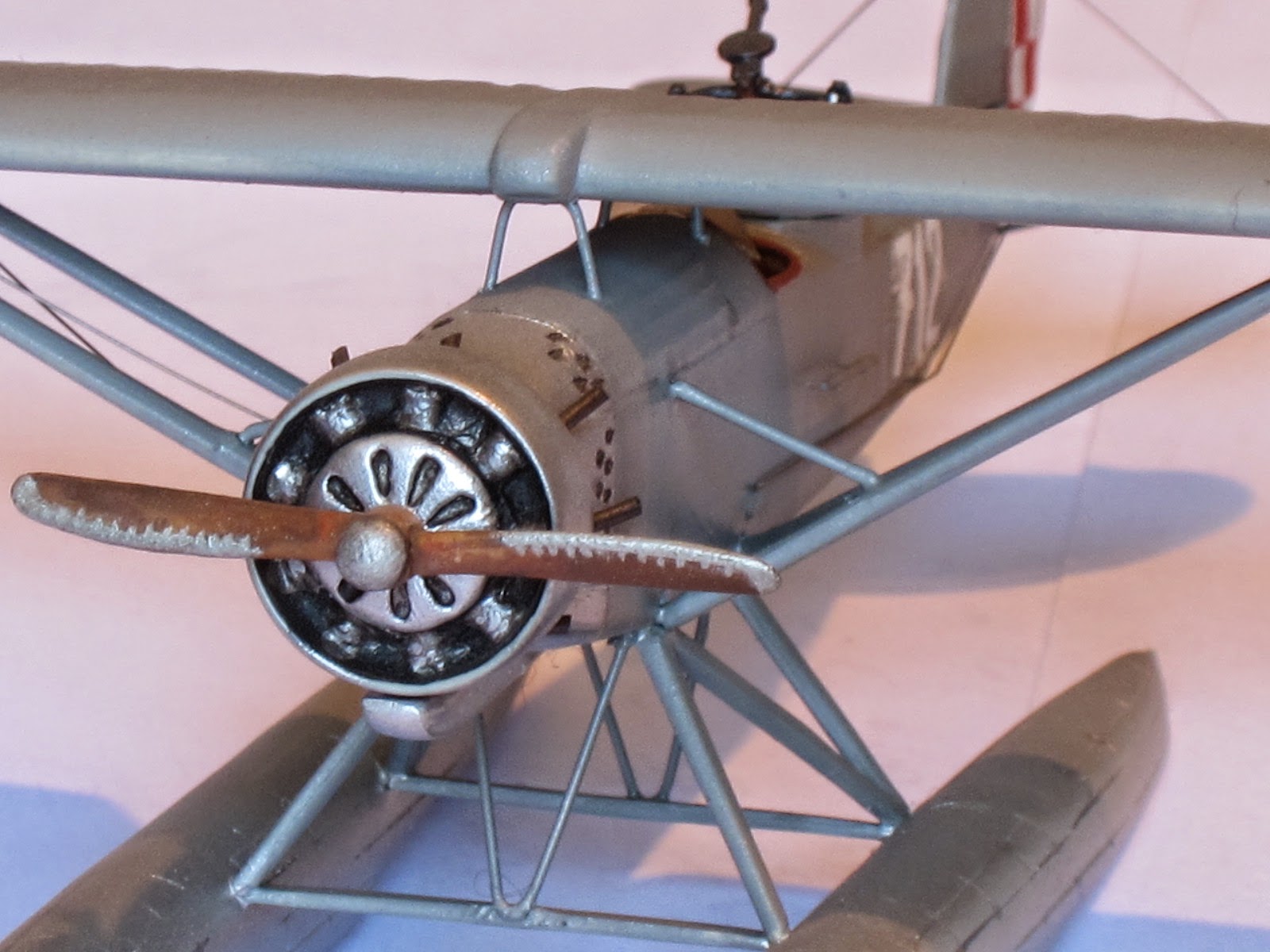
Lublin R-XIII ter/hydro...

This is the naval version of R-XIII army-cooperation plane used by Polish Army at the beginning of therties.
According to Wikipedia, "In the Naval Air Squadron, 11 R-XIIIter and R-XIIIG floatplanes were used in 1939. One of them made a night bombing raid on Danzig on September 7, searching in vain for Schleswig-Holstein. On September 8 all planes were bombed, while stationed on the sea near Hel on the Hel Peninsula.".

This little bird became a very interesting subject in the shelf. The kit is the 1/72 Aeroplast. Is a little disappointing when one open the box for first time. It cause bad impression to look at the wing and pontoons bracing in the sprues.
But, surprisingly, with little effort -replacing the tiny braces with wire- and attention on the rigging, we get a very attractive subject, so much so, I hope to build the army version with it's very colorful camo scheme.